Owning waterfront property in Florida offers unmatched views and direct access to the water, but it also comes with unique maintenance responsibilities. Constant saltwater exposure, changing tides, storms, and shoreline erosion can gradually affect docks, seawalls, boat lifts, and other marine structures. Staying proactive with waterfront property maintenance in Melbourne helps identify minor issues before they become costly repairs while preserving the safety, functionality, and value of your property.
Why Waterfront Property Maintenance Matters in Florida
Waterfront homes experience challenges that inland properties rarely face. Constant moisture, salt exposure, strong winds, storm surge, and fluctuating water levels create ongoing stress on marine structures. Even a well-built dock or seawall requires regular evaluation to maintain performance over time.
Many homeowners think about maintenance only after a storm or when visible damage appears. However, routine inspections allow property owners to catch early warning signs, such as corrosion, loose hardware, wood deterioration, shifting structures, or erosion behind seawalls.
A strong maintenance plan protects more than the structure itself. It helps preserve access to the water, improves safety for family and guests, and protects the overall value of the property.
Waterfront Property Maintenance Checklist for Florida Homeowners
- Inspect Your Dock Structure Regularly
Your dock is one of the most frequently used parts of a waterfront property. Routine dock maintenance in Melbourne, FL can help identify deterioration before it affects larger portions of the structure.
Check for:
- Loose, cracked, or damaged decking
- Corroded bolts, fasteners, and brackets
- Deteriorated support components
- Loose or worn structural connections
- Movement or shifting after storms
- Damaged railings, ladders, and accessories
Pay particular attention after hurricanes, strong storms, or unusual water conditions. Surface damage may only tell part of the story because pilings, underwater components, and structural connections can also be affected.
Older docks or structures showing movement, deterioration, or recurring problems should be professionally evaluated.
- Watch for Seawall Warning Signs
A seawall helps control erosion and protect the shoreline, making its condition important to the surrounding property.
Look for:
- Visible cracks
- Soil loss behind the wall
- Sinkholes or depressions near the shoreline
- Unexpected water movement through or around the wall
- Leaning or shifting sections
Soil loss deserves particular attention. Water moving through compromised areas can carry soil away and create voids behind the seawall. What begins as a small depression may indicate a larger problem that needs professional evaluation.
Include seawall observations in routine waterfront property maintenance in Melbourne, especially after major storms or noticeable shoreline changes.
- Check for Saltwater Corrosion
Saltwater and moisture can accelerate deterioration of exposed metal components. Dock hardware, fasteners, brackets, electrical components, and boat lift parts should be checked for visible corrosion.
Marine-grade materials can improve durability, but they still require monitoring. Replacing deteriorated components before surrounding connections are affected can help prevent a smaller maintenance issue from becoming a larger repair.
- Prepare Before Hurricane Season
Waterfront properties require additional storm preparation because docks, seawalls, lifts, and shoreline areas are directly exposed to changing water levels and severe weather.
Before hurricane season:
- Inspect docks and seawalls for existing concerns
- Secure or remove loose waterfront items
- Check that the boat lift is operating normally
- Remove unnecessary debris around marine structures
- Photograph existing property conditions
The Florida Division of Emergency Management recommends preparing before severe weather threatens the area rather than waiting until a storm approaches.
After severe weather, check for shoreline changes, damaged connections, erosion, displaced components, or structural movement. Do not use visibly unstable or damaged structures until they have been properly evaluated.
- MaintainYour Boat Lift
Boat lifts protect vessels when they are not in use, but cables, moving parts, electrical components, and connections are continually exposed to demanding waterfront conditions.
Watch for:
- Frayed or deteriorated cables
- Corroded hardware
- Uneven lifting
- Unusual noises
- Electrical concerns
- Changes in normal operation
Follow the lift manufacturer’s maintenance recommendations when available. If a lift struggles, moves unevenly, or shows significant deterioration, have it professionally inspected before continued use.
- Monitor Shoreline and Drainage Conditions
Your dock and seawall are only part of the waterfront system. Changes to the surrounding soil and drainage can also affect shoreline stability.
Watch for soil washing away, new depressions, standing water, drainage changes, or noticeable shifts in the shoreline.
These conditions deserve attention because uncontrolled water movement can contribute to erosion and increase pressure on shoreline protection systems.
- Keep Maintenance and Repair Records
A simple maintenance record can reveal how waterfront conditions change over time.
Document:
- Inspection dates
- Repairs and component replacements
- Storm-related damage
- Photographs before and after severe weather
- Contractor recommendations
- Recurring problem areas
These records can help homeowners plan future maintenance and provide useful documentation when discussing storm-related property conditions with contractors or insurance providers.
When Does Maintenance Become a Repair Issue?
Not every sign of wear means a structure needs replacement. The key is recognizing when routine maintenance is no longer enough, especially when it comes to waterfront property maintenance in Melbourne.
Minor surface wear may simply require continued monitoring. Loose hardware or isolated deterioration may require repair. Recurring soil loss, structural movement, damaged pilings, severe corrosion, or significant storm damage should prompt a professional assessment.
A marine contractor can determine whether the appropriate next step is maintenance, targeted repair, reinforcement, or replacement.
Why Professional Marine Inspections Matter
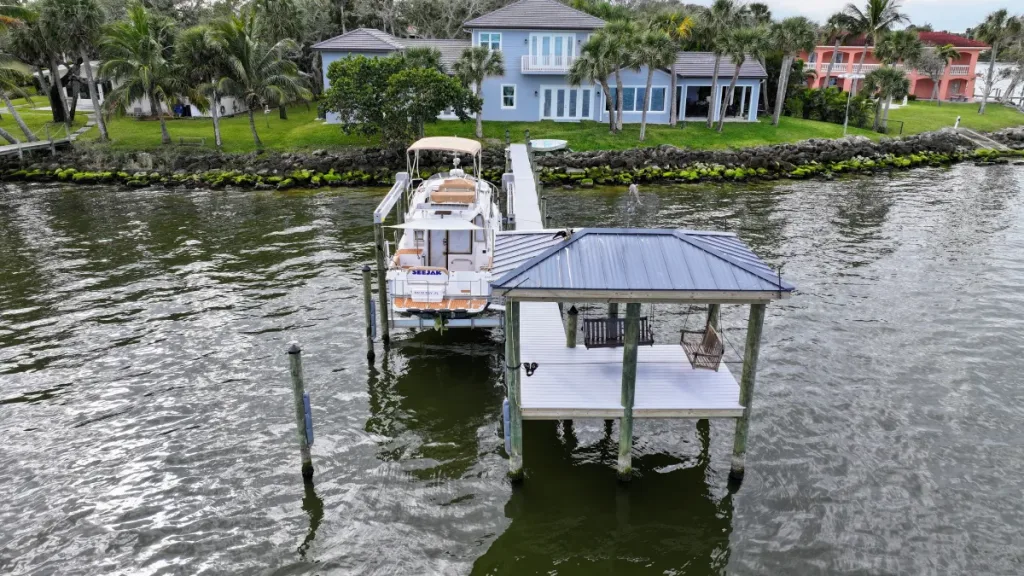
While homeowners can perform routine visual inspections, professional evaluations provide a more complete assessment of docks, seawalls, boat lifts, and other waterfront structures affected by Florida’s coastal environment.
Professional inspections are especially valuable for aging structures, post-storm assessments, changing shorelines, or planned renovations. Identifying issues early can help prevent costly repairs and unexpected structural failures. Working with an experienced contractor like DC Marine Construction, Inc. ensures waterfront structures are evaluated thoroughly and recommendations are tailored to your property’s needs.
Frequently Asked Questions About Waterfront Property Maintenance
Question: How often should I inspect my waterfront property?
Answer: Perform basic visual inspections several times throughout the year and after major storms. Professional inspections are recommended for older structures or whenever you notice signs of deterioration.
Question: What should I look for during dock maintenance?
Answer: Inspect for loose decking, corroded hardware, damaged structural components, shifting sections, worn connections, and signs of storm damage. Professional inspections can identify issues below the waterline that are not visible during routine checks.
Question: Why is a seawall inspection important?
Answer: Routine seawall inspections help detect cracks, erosion, soil loss, and structural movement before they become more serious problems that require extensive repairs.
Question: Can storms damage a dock without obvious signs?
Answer: Yes. Storms can weaken structural connections, shift pilings, or damage underwater components without causing visible surface damage. A post-storm inspection helps identify hidden issues.
Question: When should I consider professional marine construction services?
Answer: If your dock, seawall, boat lift, or shoreline protection system shows signs of aging, storm damage, erosion, or reduced performance, a professional evaluation can determine the most appropriate repair or replacement solution.
Protect Your Waterfront Investment With DC Marine Construction, Inc.
Consistent inspections can help you catch waterfront problems before they interfere with safety, boating access, or the use of your property.
Whether you need dock repairs, seawall improvements, boat lift construction, custom boathouse solutions, or professional guidance, DC Marine Construction, Inc. provides marine construction services in Melbourne, FL designed around Florida waterfront conditions.
Contact DC Marine Construction, Inc. today to schedule a consultation and determine the right next step for your waterfront property.